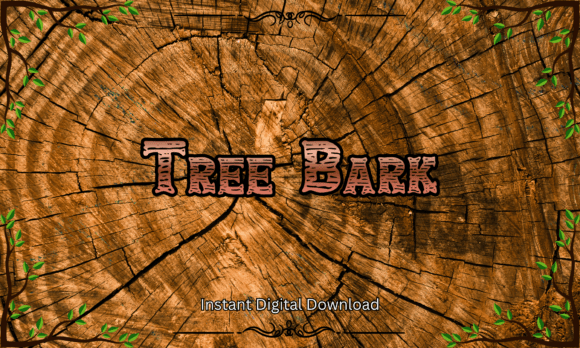
Tree Bark Font: A Rustic Typeface for Woodland Charm
Imagine a typeface that doesn’t just spell words, but tells a story of forest trails, cozy cabins, and hand-carved signs. This is the essence of Tree Bark, a display font designed to inject rugged, organic character into your creative projects. For graphic designers and creators seeking to evoke a sense of nature, adventure, and authenticity, this font offers a unique visual solution that stands apart from conventional digital type.
Understanding the Visual Impact of Nature-Inspired Typography
In modern graphic design, typography is a fundamental pillar of visual communication and brand identity. The choice of typeface conveys immediate emotional and contextual cues. While clean sans-serifs suggest modernity and serifs imply tradition, a textured, rustic font like Tree Bark communicates warmth, craftsmanship, and a connection to the outdoors. This makes it a powerful tool for specific branding and design applications where establishing a distinct mood is paramount.
Practical Applications for Creative Projects
The versatility of a nature-inspired typeface extends across numerous design disciplines. Its bold, textured appearance ensures it captures attention, making it ideal for projects that require a handcrafted or adventurous aesthetic.
- Branding & Logo Design: Perfect for outdoor apparel companies, camping gear brands, artisan bakeries, or breweries looking to establish a rugged, authentic brand identity.
- Marketing & Advertising: Creates compelling headlines for brochures, posters, and social media ads promoting hiking tours, farm-to-table events, or woodland festivals.
- Digital & Web Design: Adds character to website headers, blog titles, or UI elements for nature-focused apps, enhancing user engagement with thematic visuals.
- Print & Packaging: Elevates the design of product packaging for natural goods, labels for homemade products, and decorative signage for cabins or markets.
- Merchandise & Decor: Ideal for creating eye-catching t-shirt designs, mugs, wall art, and scrapbooking elements that celebrate the great outdoors.
Tips for Effective Implementation
Integrating a specialty font like this into your design workflow requires thoughtful consideration to maintain professionalism and clarity. Always prioritize readability, especially for longer passages of text; such textured display fonts are best reserved for headlines, logos, or short call-to-action phrases.
Consider the entire visual hierarchy of your design. Pair Tree Bark with a clean, simple secondary typeface for body text to create balance and ensure your message is communicated effectively. Evaluate its compatibility with your chosen color palette—earthy tones, greens, browns, and creams often complement this style best. Finally, test its scalability across different mediums, from a small social media graphic to a large printed banner, to ensure the texture remains impactful without becoming muddy.
Ultimately, the most successful designs are built on intentional choices. Selecting creative assets that align with your project's narrative and audience expectations is crucial. A resource like the Tree Bark font, with its included TTF/OTF files and broad software compatibility, provides a ready-made solution for injecting woodland charm. By thoughtfully integrating such elements, you can enhance not just the aesthetic appeal of your work, but its ability to connect with viewers on a deeper, more memorable level.